
Luxury Cruising ReImagined: 5-Star Hospitality Meets the Open Sea
Rhonda Fletcher • December 21, 2025
The body content of your post goes here. To edit this text, click on it and delete this default text and start typing your own or paste your own from a different source.
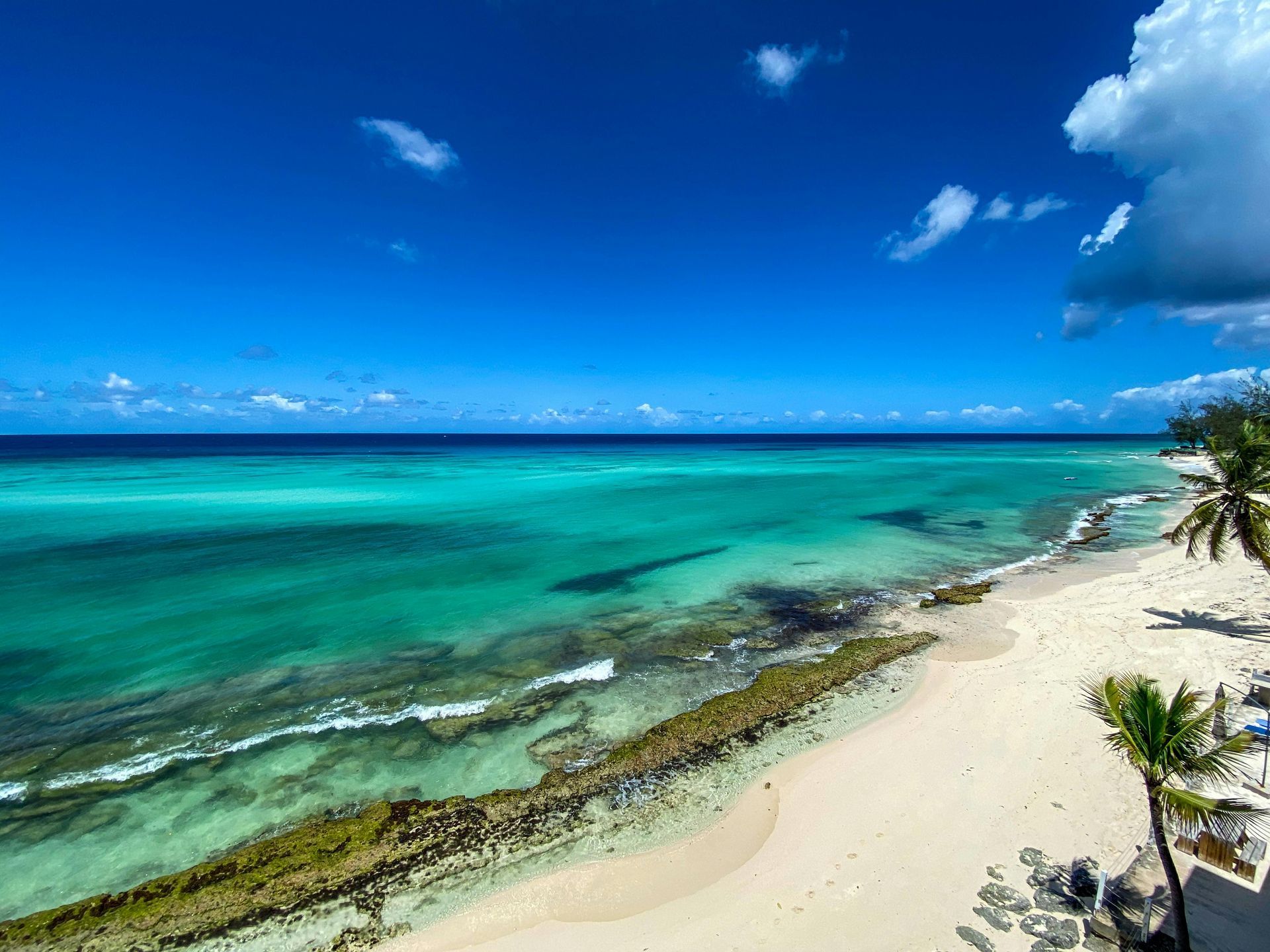
Antigua, with turquoise shores and a maritime legacy, is steeped in stories of sugarcane, spice, and strong drink. But there’s one name that truly captures the island's character in a bottle: Antigua Distillery Ltd. , the birthplace of the beloved English Harbour Rum . This is more than just a brand—it’s the island’s liquid archive, a proud product of innovation, resilience, and deep Caribbean roots. Cane Fields and Copper Dreams: Early Rum Roots in Antigua Long before sleek bottles and award ceremonies, Antigua’s relationship with rum was deeply entwined with its colonial sugar economy. From the 17th century onward, sugar plantations carpeted the island, and wherever there was sugar, molasses followed—and with molasses came rum. Local rum, or “kill-devil” as it was once known, was rough, rustic, and often distilled on small stills tucked into the corners of estates. It was a way to use the byproduct of sugar, but more than that, it was a way to preserve culture, to lift spirits, and eventually, to create industry. By the early 20th century, the rum being made in Antigua was mostly sold domestically. It wasn’t refined, and each plantation had its own version. The idea of a unified, high-quality Antiguian rum was still on the horizon. The Birth of Antigua Distillery Ltd. – 1932 The spark that would light the future came in 1932 , when a group of Portuguese-descended sugar merchants and businessmen banded together to form Antigua Distillery Limited (ADL). At the time, their aim was practical: with the sugar trade struggling and molasses exports declining, they decided to process and distill it themselves. They purchased an abandoned sugar factory called Colonel’s Sugar Factory , located just outside St. John's. The equipment was crude, but the vision was bold. With the help of a small alembic copper still and access to fresh local molasses, they began producing rum under the name Cavalier. This rum, while still rough around the edges, quickly became a staple in local bars and households. Cavalier Rum: The First Icon Cavalier Rum, launched shortly after the distillery was founded, captured the Antiguian market through its strong presence and local pride. This wasn’t the polished, export-focused spirit we see today—it was a hearty, unpretentious drink meant for everyday celebration and tradition. It came to define Antiguian rum drinking for several decades. ADL was one of the few companies in the region to remain independent through the changing tides of the rum industry. Many Caribbean distilleries merged or were sold to multinationals. But. ADL remained proudly Antiguan, driven by a commitment to quality and island identity. The Copper Still Revolution and a New Era Fast forward to the 1990s, and the team at Antigua Distillery Ltd. had a bigger dream: to create a world-class premium rum that would showcase the unique flavors of Antigua on the international stage. The answer lay in the still itself. In 1991, they introduced a custom-built copper continuous still—an instrument capable of producing a much smoother, more refined spirit than the older equipment. The distillery began experimenting with longer aging, different barrels, and carefully selected molasses blends. Their vision was to make a sipping rum that could rival the best from Barbados, Jamaica, or Martinique. English Harbour Rum Emerges – 1993 In 1993 , the first bottles of English Harbour 5 Year Old were released. The name was chosen deliberately, evoking the historic seaport of English Harbour on Antigua’s southern coast—a place where British naval ships once docked and sailors undoubtedly sipped strong spirits under the Caribbean sun. Unlike younger rums, English Harbour was crafted to be sipped, not just mixed. Aged in charred oak barrels for five years, it offered notes of vanilla, spice, roasted nuts, and dried fruit. It was complex, smooth, and utterly Caribbean. The response was electric . Critics hailed it as a sleeper hit, a small-island rum that could hold its own against global giants. It won multiple awards in international competitions and began appearing on backbars in New York, London, and beyond. Distilling the Difference: What Makes English Harbour Unique English Harbour Rum isn’t just defined by its age statement. Several key elements set it apart from the rum crowd: Local Molasses: Unlike many distilleries that import molasses, ADL sources its molasses from regional suppliers with high-quality standards, thereby preserving a distinct Caribbean terroir. Copper Column Still: The distillery’s custom-made copper still imparts a clean yet characterful base spirit with minimal impurities. Small Batch Aging: Each batch is aged in 200-liter charred oak barrels, often ex-bourbon, to allow slow oxidation and flavor development in Antigua’s hot, humid climate. Minimal Additives: ADL keeps things honest—no artificial color, no added sugar. Just rum, aged and bottled. These factors combine to create a profile that’s both complex and approachable, a rare balance in the rum world. Beyond the 5-Year: A Lineup of Distinction Following the success of the 5-Year, Antigua Distillery Ltd. expanded the English Harbour range to include: English Harbour 10 Year – Richer, oakier, with hints of dark chocolate and tobacco. English Harbour 1981 Vintage – A legendary single batch bottled in extremely limited quantities, now a collector’s dream. English Harbour Sherry Cask and Port Cask Finishes – Special editions that explore unique aging techniques and flavor infusions. English Harbour White – A clean, unaged expression made for cocktails that retains the distillery’s signature smoothness. These rums cater to everyone from casual rum enthusiasts to seasoned connoisseurs. Whether enjoyed neat, with a splash of coconut water, or in a craft cocktail, each bottle tells a story of craft and culture. A Proud Heritage, A Spirited Future Despite its global reputation, ADL remains deeply tied to Antigua. It’s not just a distillery—it’s a cultural institution. The company employs local workers, supports sustainable agriculture, and plays a role in Antigua’s tourism and national pride . Visitors to the island can tour the distillery, learning firsthand how traditional techniques and modern equipment come together to produce award-winning spirits. English Harbour Rum also features prominently at island festivals, Carnival, and sailing week celebrations—moments where the island’s past and present converge in laughter, music, and clinking glasses. And keeping with the traditions of Caribbean artistry , ADL enhances the resilience of its people. More Than Just Antigua Rum The story of Antigua Distillery Ltd. is one of transformation—from humble sugarcane beginnings to globally respected rum artistry. But even more than that, it’s about island identity , preserved in oak and shared with the world. English Harbour Rum isn’t just distilled—it’s crafted. It’s not just aged—it’s anchored in heritage. With every pour, drinkers don’t just taste rum; they taste Antigua.