
Coastal Nomads
The body content of your post goes here. To edit this text, click on it and delete this default text and start typing your own or paste your own from a different source.
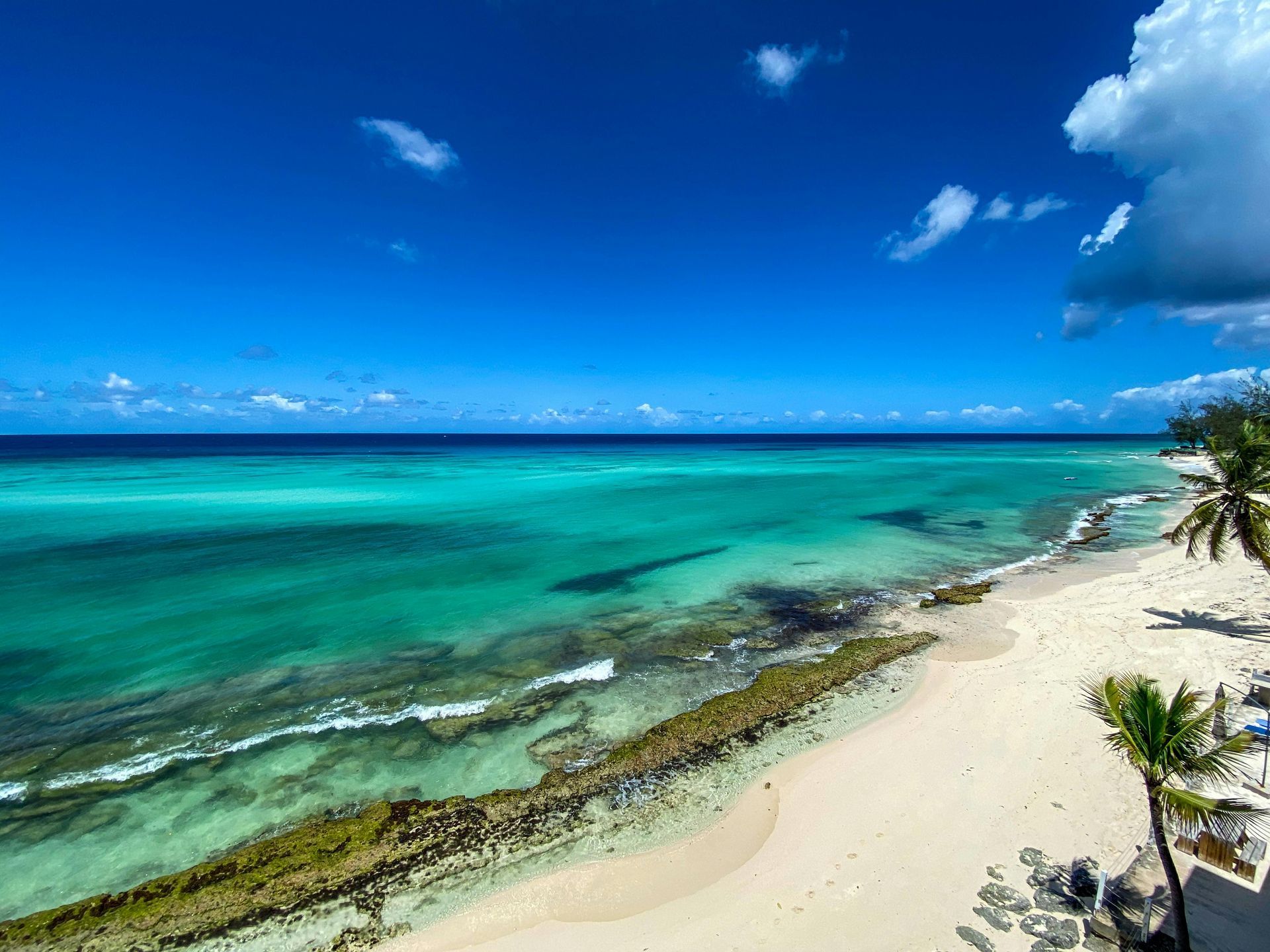
Antigua, with turquoise shores and a maritime legacy, is steeped in stories of sugarcane, spice, and strong drink. But there’s one name that truly captures the island's character in a bottle: Antigua Distillery Ltd. , the birthplace of the beloved English Harbour Rum . This is more than just a brand—it’s the island’s liquid archive, a proud product of innovation, resilience, and deep Caribbean roots. Cane Fields and Copper Dreams: Early Rum Roots in Antigua Long before sleek bottles and award ceremonies, Antigua’s relationship with rum was deeply entwined with its colonial sugar economy. From the 17th century onward, sugar plantations carpeted the island, and wherever there was sugar, molasses followed—and with molasses came rum. Local rum, or “kill-devil” as it was once known, was rough, rustic, and often distilled on small stills tucked into the corners of estates. It was a way to use the byproduct of sugar, but more than that, it was a way to preserve culture, to lift spirits, and eventually, to create industry. By the early 20th century, the rum being made in Antigua was mostly sold domestically. It wasn’t refined, and each plantation had its own version. The idea of a unified, high-quality Antiguian rum was still on the horizon. The Birth of Antigua Distillery Ltd. – 1932 The spark that would light the future came in 1932 , when a group of Portuguese-descended sugar merchants and businessmen banded together to form Antigua Distillery Limited (ADL). At the time, their aim was practical: with the sugar trade struggling and molasses exports declining, they decided to process and distill it themselves. They purchased an abandoned sugar factory called Colonel’s Sugar Factory , located just outside St. John's. The equipment was crude, but the vision was bold. With the help of a small alembic copper still and access to fresh local molasses, they began producing rum under the name Cavalier. This rum, while still rough around the edges, quickly became a staple in local bars and households. Cavalier Rum: The First Icon Cavalier Rum, launched shortly after the distillery was founded, captured the Antiguian market through its strong presence and local pride. This wasn’t the polished, export-focused spirit we see today—it was a hearty, unpretentious drink meant for everyday celebration and tradition. It came to define Antiguian rum drinking for several decades. ADL was one of the few companies in the region to remain independent through the changing tides of the rum industry. Many Caribbean distilleries merged or were sold to multinationals. But. ADL remained proudly Antiguan, driven by a commitment to quality and island identity. The Copper Still Revolution and a New Era Fast forward to the 1990s, and the team at Antigua Distillery Ltd. had a bigger dream: to create a world-class premium rum that would showcase the unique flavors of Antigua on the international stage. The answer lay in the still itself. In 1991, they introduced a custom-built copper continuous still—an instrument capable of producing a much smoother, more refined spirit than the older equipment. The distillery began experimenting with longer aging, different barrels, and carefully selected molasses blends. Their vision was to make a sipping rum that could rival the best from Barbados, Jamaica, or Martinique. English Harbour Rum Emerges – 1993 In 1993 , the first bottles of English Harbour 5 Year Old were released. The name was chosen deliberately, evoking the historic seaport of English Harbour on Antigua’s southern coast—a place where British naval ships once docked and sailors undoubtedly sipped strong spirits under the Caribbean sun. Unlike younger rums, English Harbour was crafted to be sipped, not just mixed. Aged in charred oak barrels for five years, it offered notes of vanilla, spice, roasted nuts, and dried fruit. It was complex, smooth, and utterly Caribbean. The response was electric . Critics hailed it as a sleeper hit, a small-island rum that could hold its own against global giants. It won multiple awards in international competitions and began appearing on backbars in New York, London, and beyond. Distilling the Difference: What Makes English Harbour Unique English Harbour Rum isn’t just defined by its age statement. Several key elements set it apart from the rum crowd: Local Molasses: Unlike many distilleries that import molasses, ADL sources its molasses from regional suppliers with high-quality standards, thereby preserving a distinct Caribbean terroir. Copper Column Still: The distillery’s custom-made copper still imparts a clean yet characterful base spirit with minimal impurities. Small Batch Aging: Each batch is aged in 200-liter charred oak barrels, often ex-bourbon, to allow slow oxidation and flavor development in Antigua’s hot, humid climate. Minimal Additives: ADL keeps things honest—no artificial color, no added sugar. Just rum, aged and bottled. These factors combine to create a profile that’s both complex and approachable, a rare balance in the rum world. Beyond the 5-Year: A Lineup of Distinction Following the success of the 5-Year, Antigua Distillery Ltd. expanded the English Harbour range to include: English Harbour 10 Year – Richer, oakier, with hints of dark chocolate and tobacco. English Harbour 1981 Vintage – A legendary single batch bottled in extremely limited quantities, now a collector’s dream. English Harbour Sherry Cask and Port Cask Finishes – Special editions that explore unique aging techniques and flavor infusions. English Harbour White – A clean, unaged expression made for cocktails that retains the distillery’s signature smoothness. These rums cater to everyone from casual rum enthusiasts to seasoned connoisseurs. Whether enjoyed neat, with a splash of coconut water, or in a craft cocktail, each bottle tells a story of craft and culture. A Proud Heritage, A Spirited Future Despite its global reputation, ADL remains deeply tied to Antigua. It’s not just a distillery—it’s a cultural institution. The company employs local workers, supports sustainable agriculture, and plays a role in Antigua’s tourism and national pride . Visitors to the island can tour the distillery, learning firsthand how traditional techniques and modern equipment come together to produce award-winning spirits. English Harbour Rum also features prominently at island festivals, Carnival, and sailing week celebrations—moments where the island’s past and present converge in laughter, music, and clinking glasses. And keeping with the traditions of Caribbean artistry , ADL enhances the resilience of its people. More Than Just Antigua Rum The story of Antigua Distillery Ltd. is one of transformation—from humble sugarcane beginnings to globally respected rum artistry. But even more than that, it’s about island identity , preserved in oak and shared with the world. English Harbour Rum isn’t just distilled—it’s crafted. It’s not just aged—it’s anchored in heritage. With every pour, drinkers don’t just taste rum; they taste Antigua.
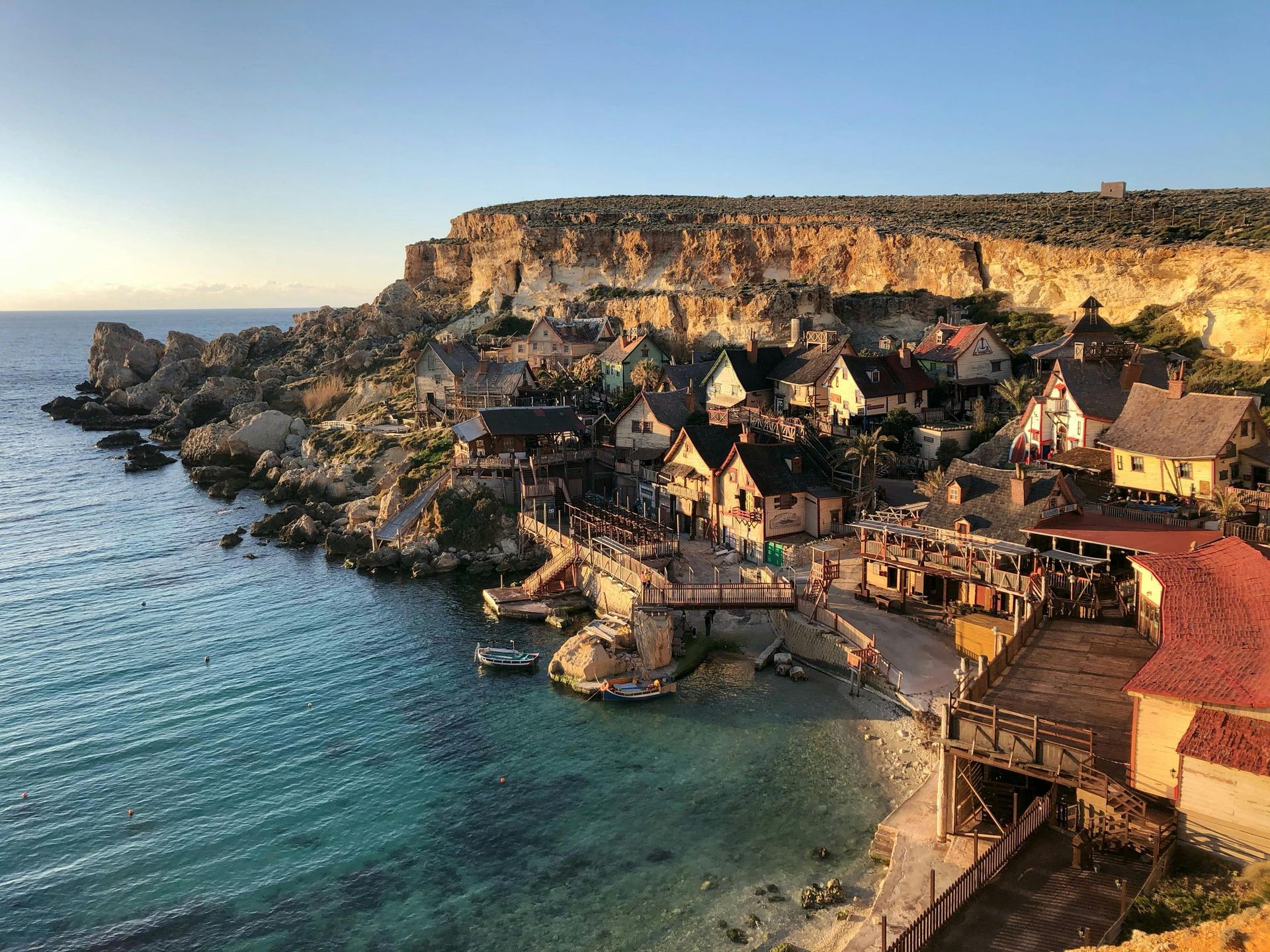
Malta is where the past leans over your shoulder at every turn—but instead of whispering dusty dates, it spins vivid tales. Perched in the heart of the Mediterranean between Sicily and North Africa, this tiny archipelago—Malta, Gozo, and Comino—punches well above its weight in culture, history, and natural beauty. At just over 120 square miles, Malta is one of the smallest countries in the world, but don’t be fooled—its charm is anything but bite-sized, growing in popularity as an expat community. This sun-drenched destination has been called home by Phoenicians, Romans, Arabs, Normans, Knights, and the British. Their legacy remains in Malta’s golden limestone streets, fortress walls, and language, a captivating cocktail of Arabic and Italian. Surprisingly, the British left an unusual mark. In Malta, everyone speaks English. But Malta isn't a museum. It’s a living, laughing, bustling island with cliffside villages, world-class diving, serious food culture, and a surprisingly energetic nightlife scene that starts late and ends with the sunrise. Layers of Time and Influence It’s tempting to call Malta “ancient,” but that doesn’t quite capture the dynamism of its timeline. The islands are home to some of the oldest free-standing structures in the world—older than Stonehenge and the Pyramids of Giza. The Ġgantija Temples on Gozo, built around 3600 BC, are a UNESCO World Heritage Site and still mystify archaeologists. Then came the Phoenicians, who brought trade and language. The Romans added aqueducts and baths. The Arabs left behind their architecture and helped shape the Maltese language. The Normans brought Catholicism. Then, in 1530, the showiest chapter arrived: the Knights of St. John. The Knights turned Malta into a formidable fortress island. You can see their handiwork all over Valletta, Malta’s elegant capital, from the star-shaped bastions to the lavish Co-Cathedral of St. John—home to Caravaggio’s brooding masterpiece, The Beheading of Saint John the Baptist. Every wall here seems to echo with tales of sieges, secrets, and sacred oaths. And just when Malta thought it had seen it all, Napoleon dropped by in 1798, only to be kicked out by the British two years later. The British stayed until 1964, which explains why you’ll spot red phone booths and English road signs—yes, they drive on the left. Valletta: A Baroque Beauty with a Rebel Heart The capital city of Valletta makes you want to slow down and look up. Balconies painted in blues and greens jut out over steep, narrow streets. Grand palaces sit shoulder-to-shoulder with humble bakeries selling warm pastizzi , flaky pastries stuffed with ricotta or mushy peas. Though Valletta may wear its baroque architecture like a formal jacket, it’s got a rock-and-roll heart. Pop into Strait Street—a narrow lane once known for sailors, jazz, and late-night adventures—and you'll find a resurgence of speakeasy-style bars and tiny galleries that honor its wild past. The city also has a creative soul. Since being named European Capital of Culture in 2018, Valletta has leaned into its artsy side. Open-air performances, pop-up museums, and digital light shows blend past with present in a way that feels organic rather than touristy. Small Island, Big Flavor Maltese cuisine is another delightful fusion of influences—Sicilian, North African, British, and distinctly local. Ħobż biż-żejt (a rustic bread rubbed with tomatoes and topped with tuna, capers, and olives) makes a perfect snack on the go. Fenek (rabbit stew) is the national dish, and each family swears their version is the best. Seafood, naturally, is everywhere. Try lampuki (a local dorado fish) when in season, or order the catch of the day grilled and served simply with lemon and olive oil. Wash it down with a chilled glass of Maltese white wine—Malta’s vineyards are small but growing, and the indigenous Girgentina grape is worth seeking out. Dessert? Don’t miss imqaret—date-filled pastries, often served hot and crisp at village festivals. Speaking of festivals… Village Feasts and Fireworks Vittoriosa and Grand Harbour, Malta, Image by bearfotos on Freepik Malta loves a good celebration, and its calendar is crammed with festas—village feasts that are a riot of color, sound, and faith. Each town honors its patron saint with marching bands, religious processions, and pyrotechnics that make the night sky dance. Even if you don’t follow the saintly backstory, it’s hard not to get swept up in the energy. Streets fill with flags, balconies are draped in crimson and gold, and there’s a tangible sense of pride that draws everyone together—locals and travelers alike. The Call of the Sea Malta is ringed with rocky coves, dramatic cliffs, and sparkling bays, and the sea is never more than a few minutes away. Swim in the crystal-clear waters of the Blue Lagoon off Comino, a surreal, aquamarine inlet that looks almost too perfect to be real. Or dive into history—literally—by exploring shipwrecks and underwater caves that lure divers from around the world. If snorkeling and sunbathing are more your speed, head to Għajn Tuffieħa, a golden-hued beach hugged by clay cliffs. For dramatic views, drive (or hike) up to Dingli Cliffs at sunset. The landscape plunges into the sea below, and if the air is clear, you might glimpse Tunisia in the distance. Malta is also a premier upscale destination for brands such as Silver Seas and Viking Cruise Lines. Gozo: Rustic and Romantic Malta gets the headlines, but Gozo is its sleepier, dreamier sister island. Just a 25-minute ferry ride away, Gozo feels like stepping back in time—stone farmhouses, rolling hills, sleepy villages, and a gentler pace. Locals say Gozo is where you go to “breathe,” and it’s easy to see why. Walk the old streets of Victoria, sip espresso in the shadow of the Citadel, or explore the hauntingly beautiful remains of the Azure Window -- a natural arch that collapsed in 2017. Gozo reminds you to take your time. The tiny island boasts Neolithic temples, salt pans, and some of Malta’s best scuba sites. It is also popular for unparalleled countryside hiking and rooftop terrace dining under a sky full of stars. A Culture That Welcomes What truly sets Malta apart, beyond the scenery and the stories, is the warmth of its people. Maltese hospitality is genuine, whether you’re being invited to a village festa or just getting directions from a chatty local at a bus stop. English is widely spoken, and there’s a laid-back confidence to Maltese culture—proud but unpretentious. There’s a sense that everyone here is a bit of a storyteller. Strike up a conversation, and you’re likely to hear about a grandmother who fled bombs during WWII, a cousin who built a boat by hand, or a neighbor who makes the best fig jam on the island. Malta isn’t a place you visit to tick off sights. It’s a place you soak in—sun on your face, sea breeze in your hair, pastizzi in hand. It’s history that hums rather than lectures, beauty that surprises rather than shouts, and a lifestyle that balances ancient tradition with modern flair. Malta is unforgettable—in the best way. It welcomes visitors to wander through honey-colored alleyways, dive into the electric blue sea, or dance under fireworks at a village festival. It’s not just a destination. It’s a feeling you carry home with you.
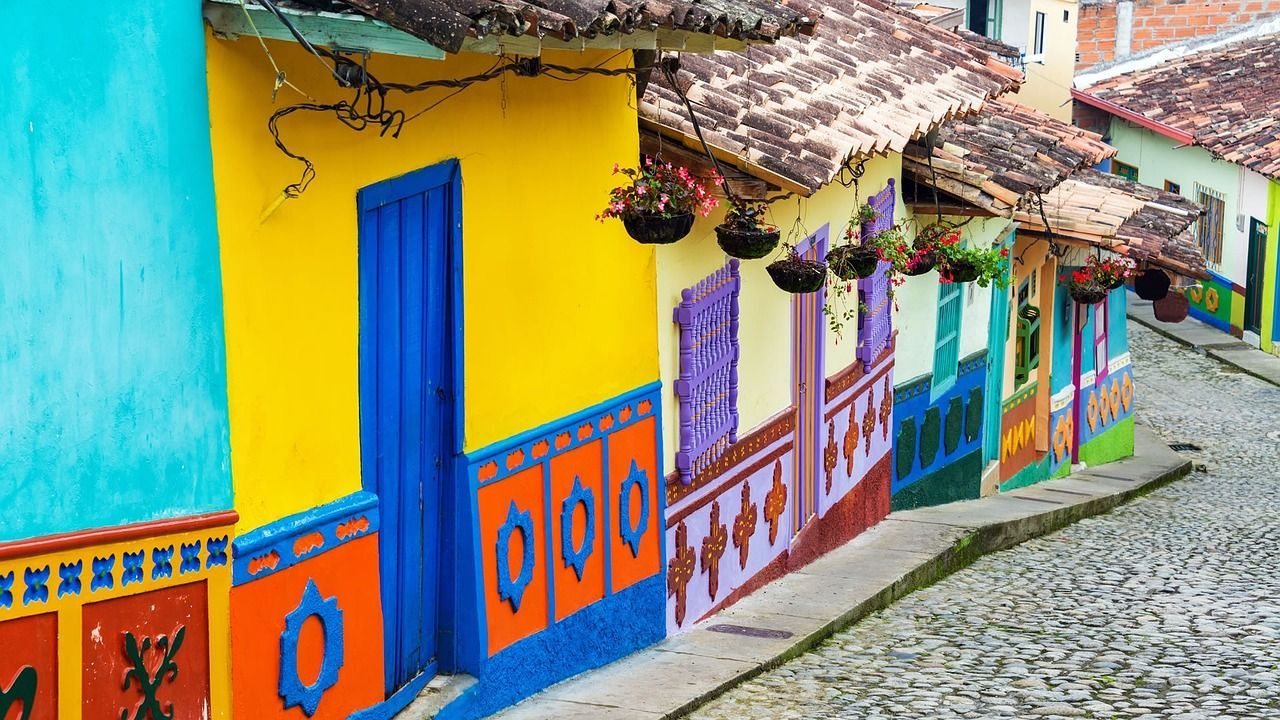
This bohemian city is perched 8,660 feet above sea level and wrapped in the dramatic peaks of the Andes Mountains, Bogotá, Colombia. Once misunderstood, Colombia’s capital has transformed into one of South America’s most exciting luxury travel destinations — a city where colonial charm meets cutting-edge gastronomy, contemporary art mingles with centuries-old history, and boutique hotels rival Europe’s best. Bogotá isn’t trying to be a tropical beach escape — and that is exactly what makes it irresistible. Think Parisian cafés at altitude, world-class museums, tasting menus that ignite the senses, and rooftop cocktails with cathedral views. For the luxury traveler seeking culture, design, fashion, and unforgettable cuisine, Bogotá delivers in style. La Candelaria: Colonial Beauty Meets Bohemian Soul Any journey through Bogotá begins in La Candelaria, the city’s historic heart and most photogenic neighborhood. Cobblestone streets wind past colonial mansions painted in jewel-toned blues, coral pinks, and mustard yellows. Balconies drip with bougainvillea. Churches glowing in baroque grandeur sit steps away from edgy murals and hidden courtyards. Landmarks include Plaza de Bolívar , surrounded by the Primacial Cathedral of Bogotá , the Palace of Justice , and Capitolio Nacional . A few blocks away sits Casa de Nariño , the presidential palace. Art lovers won’t want to miss the Museo Botero , home to Fernando Botero’s iconic oversized figures, or the Gold Museum (Museo del Oro) , which displays more than 55,000 dazzling pre-Hispanic artifacts made from pure gold — the most important collection of its kind in the world. Luxury travelers can elevate the experience by booking a private guided art and history tour, complete with behind-the-scenes access and curated café stops. Monserrate: The View That Defines Bogotá Rising 10,341 feet above the city, Monserrate is one of Bogotá’s most iconic landmarks. Accessible by cable car, funicular, or a walking path used by locals, this mountaintop sanctuary offers panoramic views stretching across Bogotá’s entire expanse. At the summit sits the Santuario del Señor de Monserrate , a whitewashed church dating back to the 17th century. The real luxury vibe comes at sunset, when the city sparkles below in a constellation of lights. On-site fine dining restaurants such as Casa Santa Clara offer candlelit evenings with sweeping Andean views — an ideal experience for couples. Zona G: Bogotá’s Fine Dining Capital Bogotá has quietly become one of the world's most important culinary cities, and Zona G (Gourmet Zone) is at its epicenter. This upscale district is home to internationally acclaimed restaurants redefining Colombian cuisine with sophisticated techniques and native ingredients. Must-visit restaurants include: Leo by celebrity chef Leonor Espinosa consistently ranks among Latin America’s best Criterion , offering elevated French-Colombian fusion Harry Sasson , an institution in Bogotá's fine dining Storia D’Amore , known for glamorous interiors and Italian elegance El Cielo , famous for its immersive, multi-sensory tasting menu Expect exotic Amazonian fruits, Andean herbs, sustainably sourced seafood, and cacao rituals elevated to Michelin-level artistry. Zona Rosa & Andino: Where Bogotá Goes Glam For luxury shopping, chic dining, and nightlife, Zona Rosa and Parque de la 93 are Bogotá’s style capitals. International designer stores line the Centro Comercial Andino , a high-end mall featuring brands like Louis Vuitton, Carolina Herrera, Rolex, and Swarovski. Nearby, Zona T buzzes with upscale cocktail bars, rooftop lounges, and gourmet cafés. Parque de la 93 is perfect for an elegant outdoor brunch followed by gallery hopping or shopping at Colombian designer boutiques like Silvia Tcherassi , Johanna Ortiz , and Agua Bendita — brands that have made Colombia a global fashion force. It’s the ideal neighborhood for luxury travelers who want a cosmopolitan, walkable experience. Bogotá’s Most Luxurious Hotels Bogotá’s boutique hotel scene is exquisite, offering five-star comfort, personalized service, and design that blends Colombian culture with modern elegance. Top luxury accommodations include: Four Seasons Hotel Casa Medina : A Tudor-style historic mansion with wood-carved interiors and a world-class spa Four Seasons Hotel Bogotá : Sleek and contemporary in the heart of Zona Rosa Sofitel Legend Santa Clara Bogotá : French luxury meets Colombian heritage The Artisan D.C. Hotel : A Small Luxury Hotels of the World property with artisanal Colombian design Hotel de la Opera : Overlooking Plaza de Bolívar in La Candelaria These properties offer private transfers, fine dining, spa treatments inspired by indigenous botanicals, and exclusive excursions designed for high-end travelers. Street Art & The Creative Pulse Bogotá is one of the world’s most vibrant street art capitals. The city legalized graffiti in 2011, turning entire neighborhoods into open-air galleries. In areas like La Candelaria , Chapinero , and San Felipe , massive murals transform buildings into colorful political narratives, cultural celebrations, and urban masterpieces. Luxury travelers can book a private street art tour led by local artists, offering insight into the culture, symbolism, and evolution of Colombia’s creative revolution. For contemporary art lovers, San Felipe is Bogotá’s creative district, filled with art galleries, design studios, pop-up experiences, and the famous Open San Felipe art walk events. Coffee, Cacao & Colombian Craft Colombia is synonymous with exceptional coffee, and Bogotá offers immersive ways to experience it. Visit specialty cafés like Azahar , Amor Perfecto , and Libertario Coffee Roasters for barista-led tastings showcasing beans from Huila, Caldas, and Antioquia. For something sweet, explore Colombian cacao and chocolate at luxury chocolatiers such as Xocoatl or Mini-Mal , where native flavors like lulo, guava, and panela star in artisanal creations. Coffee and cacao tasting experiences can be elevated with private workshops and pairings, ideal for luxury travelers seeking sensory storytelling. Usaquén: Colonial Charm & Sunday Markets Located in the northern part of the city, Usaquén blends village charm with urban sophistication. Its historic center features cobblestone streets, a quaint colonial church, and some of Bogotá’s best restaurants like Abasto , Santa Costilla , and Primi . Every Sunday, the Usaquén Flea Market fills the square with handcrafted jewelry, artisan leather goods, local art, and gourmet street food — making it a perfect spot for curated souvenirs. Andean Nature & Luxury Day Trips Bogotá’s location offers incredible nature escapes just a short drive away. For luxury adventurers, these destinations add a wild touch of magic: Salt Cathedral of Zipaquirá – An underground cathedral carved from a salt mine, just 45 minutes away Chingaza National Park – High-altitude páramo ecosystem with misty lagoons and rare wildlife Guatavita Lagoon – The legendary birthplace of the El Dorado myth Villa de Leyva – A beautifully preserved colonial town perfect for private day tours Helicopter transfers and curated excursions are readily available, adding comfort and exclusivity to each adventure. Why Bogotá Belongs on Every Luxury Travel List Bogotá is more than just Colombia’s capital — it is the country’s cultural heartbeat. It’s where indigenous heritage, Spanish colonial history, artistic innovation, and refined luxury coexist with powerful energy. For travelers who crave authenticity paired with elegance, Bogotá offers an experience unlike anywhere else in South America. From sipping single-origin coffee in a design-forward café to dining on a 12-course tasting menu using Amazonian botanicals, from wandering among centuries-old churches to shopping modern Colombian couture, Bogotá proves that luxury travel isn’t about excess — it’s about depth. And above it all, the Andes stand watch, grounding this extraordinary city in a sense of place that feels both timeless and exhilarating. If you’re searching for a destination that feels undiscovered yet sophisticated, creative yet refined, energetic yet historical — Bogotá is calling.
Hidden along the rugged southern coastline of the Big Island, Papakōlea Beach isn’t just rare — it’s one of only four green sand beaches in the world . What elevates this extraordinary place into true luxury travel territory isn’t beachfront resorts or umbrella-lined cabanas. Instead, it’s the privilege of witnessing one of Earth’s rarest природных fenômena: an olive-green shoreline formed by tiny crystals of peridot-rich olivine. For adventurous luxury travelers who value scarcity, geology, and story over sameness, Papakōlea is a crown jewel. Located near South Point (Ka Lae) — the southernmost point in the United States — this surreal beach sits inside the ancient Puʻu Mahana cinder cone , a partially collapsed volcanic crater formed more than 49,000 years ago . The hikes are raw, the scenery is cinematic, and the reward feels almost private. In Hawaiʻi, that’s the real definition of luxury. Where Is Papakōlea Beach Located? Papakōlea (also called Green Sand Beach or Mahana Beach ) is located on the southern tip of the Big Island of Hawaiʻi , approximately: 66 miles south of Kailua-Kona 70 miles from Hawaiʻi Volcanoes National Park 7 miles from the town of Naʻalehu 3 miles from South Point (Ka Lae) The official trailhead begins near South Point Road , a windswept stretch framed by crumbling lava fields, grazing cattle, and the crashing Pacific. This remote location is exactly why the beach remains untouched by commercialization — there are no shops, resorts, or buildings in sight. Just you, the wind, the cliffs… and a green horizon. Why Is the Sand Green at Papakōlea? The green hue at Papakōlea comes from olivine , a semi-precious volcanic mineral also known as peridot . When the Puʻu Mahana volcano erupted, it spewed crystal-rich lava that cooled and formed these shimmering grains. Over thousands of years, erosion washed lighter materials away, leaving the dense green crystals to collect along the shoreline. What makes Papakōlea truly special: The sand shimmers between green, gold, and olive, depending on the sun The color contrast between blue ocean , black lava rock , and green sand is visually unreal The beach sits inside a natural amphitheater of rust-colored cliffs This beach is a geological museum disguised as paradise. How to Visit Papakōlea Beach Reaching Papakōlea requires intention, which makes arriving even more special. Here are a few choices from adventurous to glamorous: Option 1: Scenic Hike The hike from the parking area near South Point is: About 2.5 miles each way Mostly flat but completely exposed to the sun and wind Takes 60–90 minutes each way Tip for luxury-minded travelers: Bring a wide-brim hat, mineral SPF, silk scarf, plenty of water, and elevated picnic snacks. You’ll want to linger. Option 2: 4x4 Private Ride While off-road traffic is technically discouraged, some local guides offer private 4x4 transport tours from Naʻalehu or South Point. These tours usually include: Round-trip transportation Cultural & geological interpretation Time for swimming & photos Stops at South Point cliffs and blowholes If you value exclusivity and comfort, this is your best option. Best Time of Day to Experience the Green Sand For photography and privacy, timing is everything: Early Morning – Soft light, fewer people, magical solitude Midday – Sand appears brightest green, but more visitors Golden Hour – Romantic lighting, dramatic cliff shadows, unreal glow Tip: Wind can be intense, so choose mornings when possible. The ocean can be rough with unpredictable currents. Historical & Cultural Significance Papakōlea is named after the region's native plant, the ʻōleo popolo , which once grew abundantly here. This land is tied deeply to Native Hawaiian history , used historically for: Fishing Navigation Sacred rituals near South Point Volcanic worship traditions honoring Pele South Point itself is believed to have been where the first Polynesians landed in Hawaiʻi. Nearby Places to Include in Your Papakōlea Itinerary Reaching Papakōlea requires intention, which makes arriving even more special. Here are a few choices from adventurous to glamorous: 1. South Point (Ka Lae) The southernmost point in the U.S. and one of the windiest places in Hawaiʻi. Dramatic cliffs, surfers, fishermen, and sea turtles are often spotted. 2. Naʻalehu The closest town to Papakōlea and famous for: Punaluʻu Bake Shop – Legendary malasadas & sweet bread Hawaiian South Coffee Plantation Vintage rural Hawaiʻi charm 3. Punaluʻu Black Sand Beach Only a 30-minute drive away and home to endangered Hawaiian green sea turtles (honu) — a perfect contrast to Papakōlea’s green sand. 4. Hawaiʻi Volcanoes National Park Less than 90 minutes away, Hawai'i Volcanoes National Park features: Kīlauea Thurston Lava Tube Devastated landscapes Crater Rim Drive Sulfur banks A must-visit pairing for any Papakōlea adventurer. Where to Stay Near Papakōlea Though Papakōlea itself is remote, hotels are easily accessible elsewhere on the island. Consider staying in: Kona Side Four Seasons Resort Hualālai Mauna Lani Auberge Resorts Collection Mauna Kea Beach Hotel Volcano / South Side Volcano House Kilauea Lodge Private airbnbs in Ocean View / Miloliʻi Why Papakōlea Is a Must-See for Luxury Travelers True luxury experience s are scarce. In a world of overexposed destinations, Papakolea remains sacred and rare. And that is the new luxury. Papakōlea isn’t a destination for everyone. It’s for the traveler who wants to step away from the ordinary, walk a little farther, and witness something the Earth made only once.
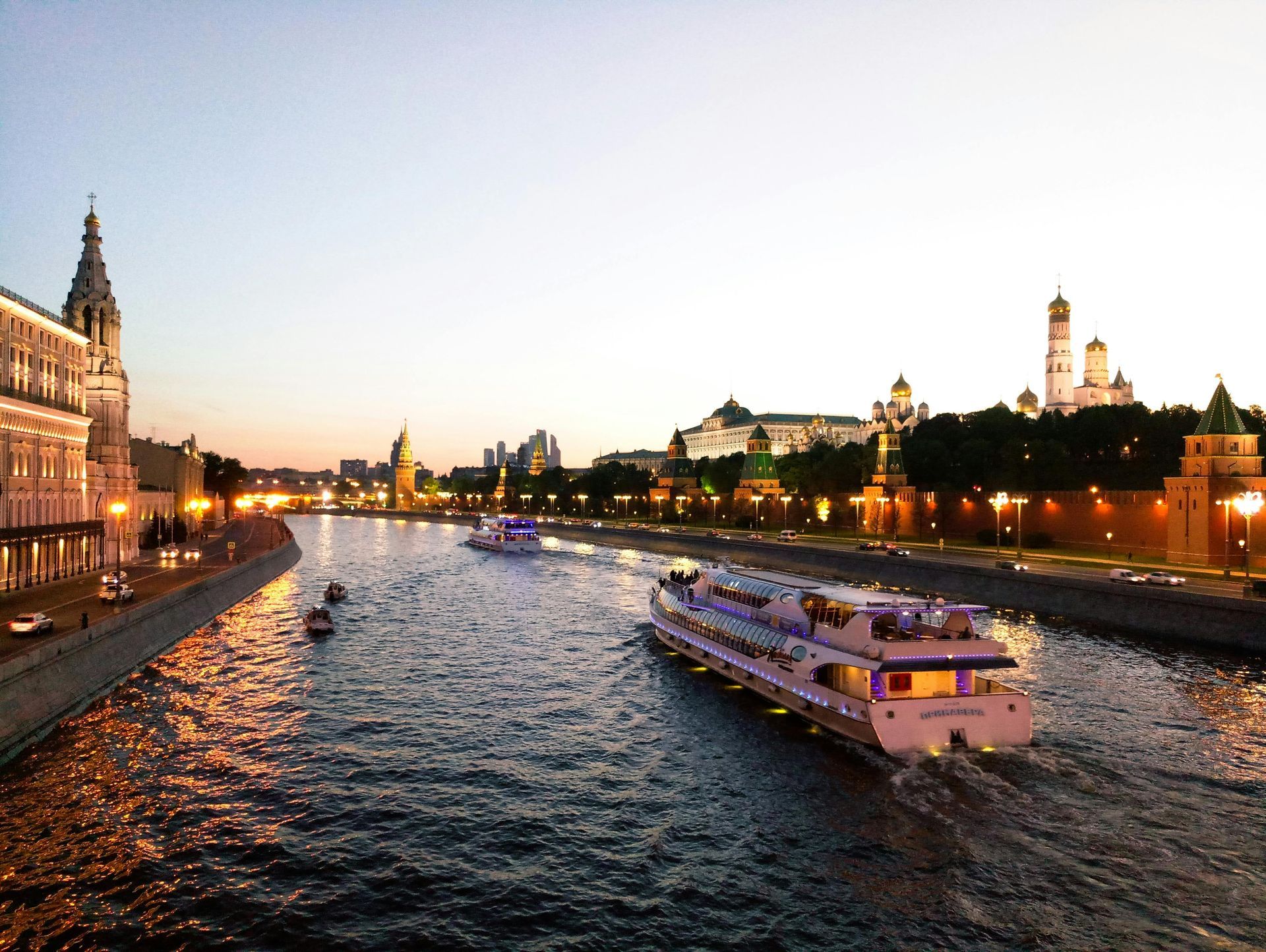
River cruising has become an increasingly popular way to explore Europe, and for good reason. This article delves into why river cruises offer a unique and enriching travel experience. Unlike ocean cruises, river cruises provide intimate access to some of Europe’s most picturesque towns, historic landmarks, and cultural hubs.
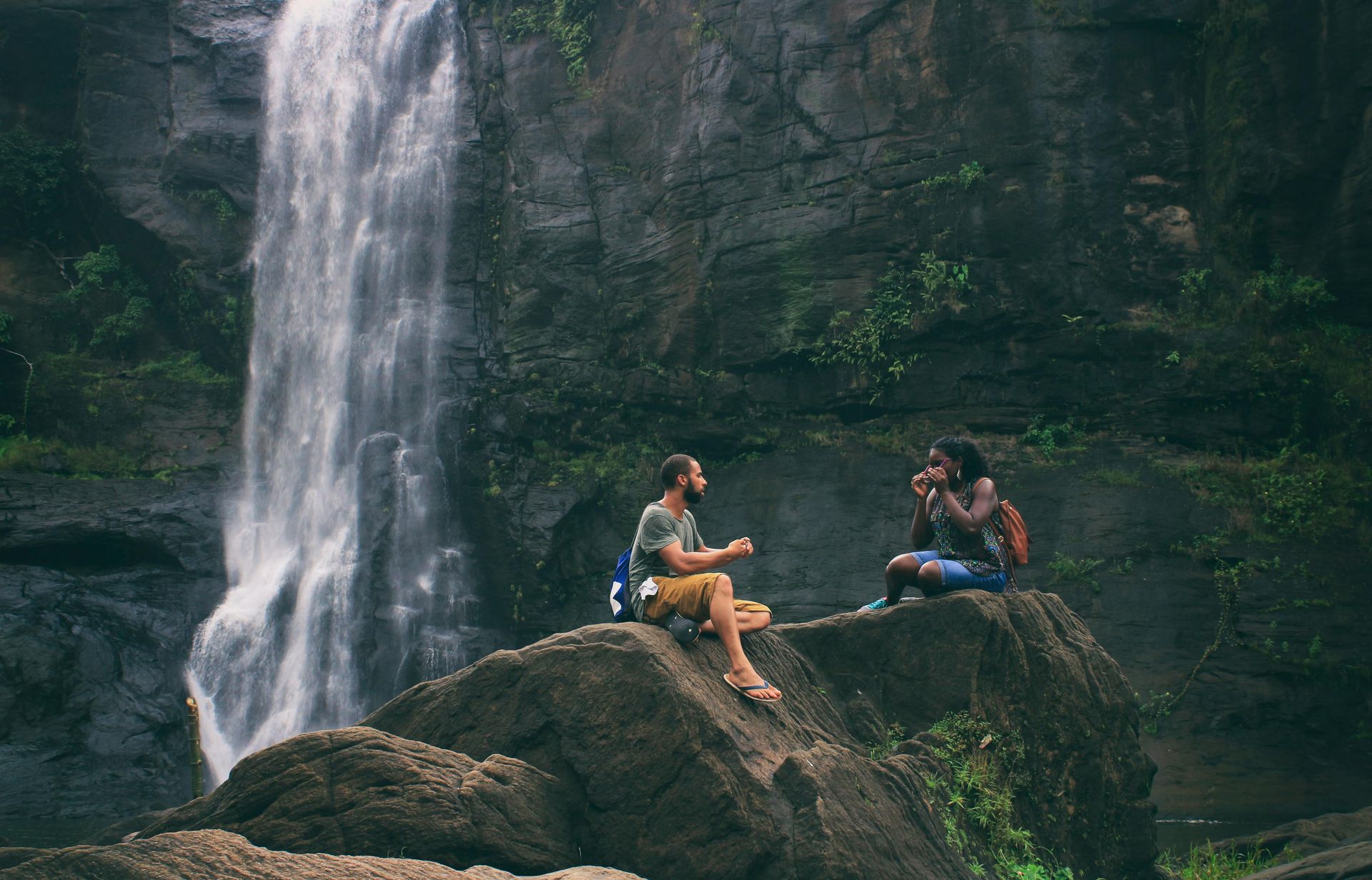
Sustainable travel is no longer just a trend—it's a necessity. But does going green mean giving up luxury and comfort? Not at all! This blog explores practical ways to minimize your environmental impact while still enjoying a comfortable and memorable vacation.
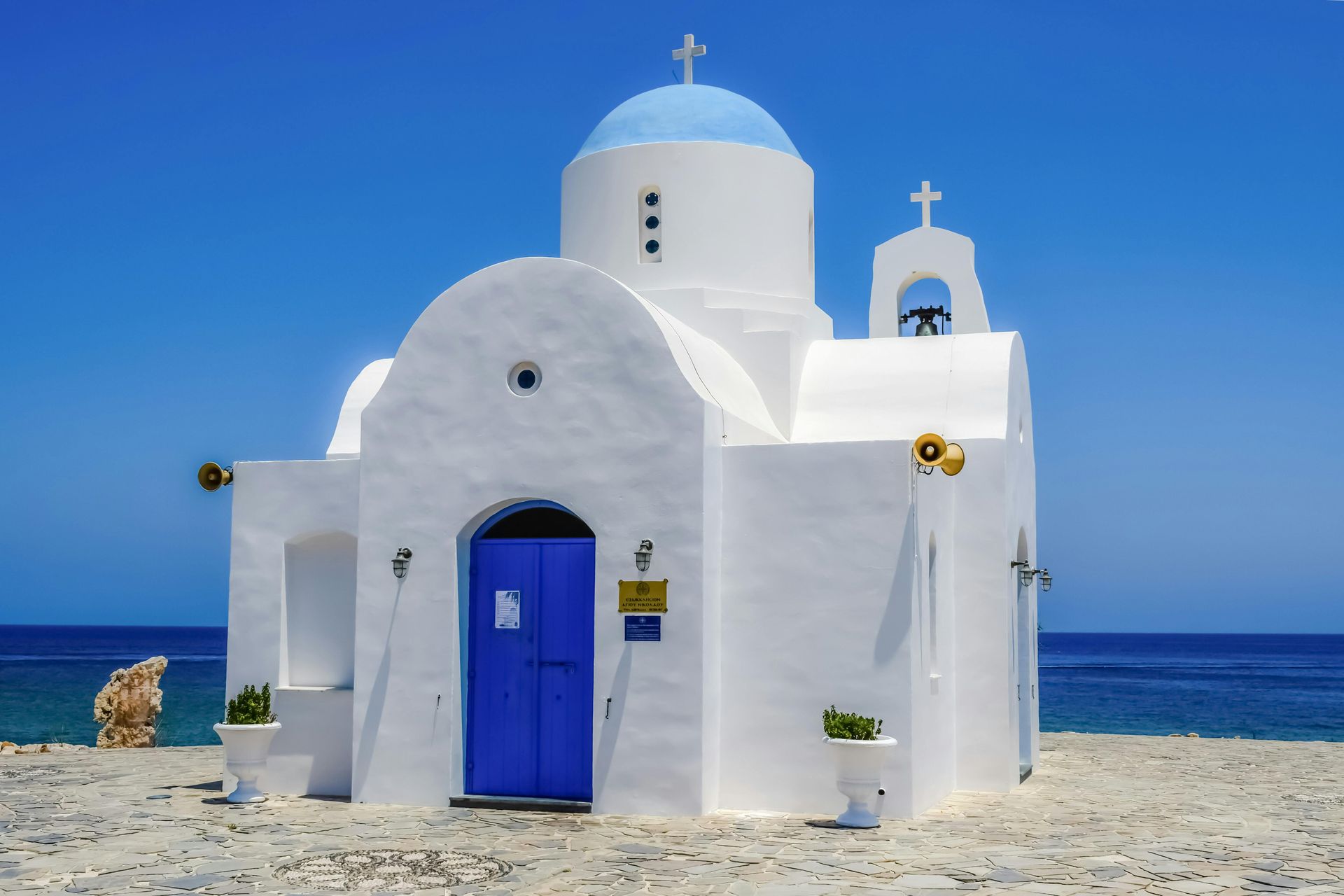
The Mediterranean is more than just its popular tourist destinations like Rome, Santorini, and Barcelona. In this article, we uncover ten lesser-known but equally captivating spots that offer a unique blend of history, culture, and natural beauty.