100% Malta: Discover A Breathtaking Mediterranean Jewel with a Story in Every Stone
Malta is where the past leans over your shoulder at every turn—but instead of whispering dusty dates, it spins vivid tales. Perched in the heart of the Mediterranean between Sicily and North Africa, this tiny archipelago—Malta, Gozo, and Comino—punches well above its weight in culture, history, and natural beauty.
At just over 120 square miles, Malta is one of the smallest countries in the world, but don’t be fooled—its charm is anything but bite-sized, growing in popularity as an expat community.
This sun-drenched destination has been called home by Phoenicians, Romans, Arabs, Normans, Knights, and the British. Their legacy remains in Malta’s golden limestone streets, fortress walls, and language, a captivating cocktail of Arabic and Italian. Surprisingly, the British left an unusual mark.
In Malta, everyone speaks English.
But Malta isn't a museum. It’s a living, laughing, bustling island with cliffside villages, world-class diving, serious food culture, and a surprisingly energetic nightlife scene that starts late and ends with the sunrise.
Layers of Time and Influence
It’s tempting to call Malta “ancient,” but that doesn’t quite capture the dynamism of its timeline. The islands are home to some of the oldest free-standing structures in the world—older than Stonehenge and the Pyramids of Giza. The Ġgantija Temples on Gozo, built around 3600 BC, are a UNESCO World Heritage Site and still mystify archaeologists.
Then came the Phoenicians, who brought trade and language. The Romans added aqueducts and baths. The Arabs left behind their architecture and helped shape the Maltese language. The Normans brought Catholicism. Then, in 1530, the showiest chapter arrived: the Knights of St. John.
The Knights turned Malta into a formidable fortress island. You can see their handiwork all over Valletta, Malta’s elegant capital, from the star-shaped bastions to the lavish Co-Cathedral of St. John—home to Caravaggio’s brooding masterpiece, The Beheading of Saint John the Baptist. Every wall here seems to echo with tales of sieges, secrets, and sacred oaths.
And just when Malta thought it had seen it all, Napoleon dropped by in 1798, only to be kicked out by the British two years later. The British stayed until 1964, which explains why you’ll spot red phone booths and English road signs—yes, they drive on the left.
Valletta: A Baroque Beauty with a Rebel Heart
The capital city of Valletta makes you want to slow down and look up. Balconies painted in blues and greens jut out over steep, narrow streets. Grand palaces sit shoulder-to-shoulder with humble bakeries selling warm pastizzi, flaky pastries stuffed with ricotta or mushy peas.
Though Valletta may wear its baroque architecture like a formal jacket, it’s got a rock-and-roll heart. Pop into Strait Street—a narrow lane once known for sailors, jazz, and late-night adventures—and you'll find a resurgence of speakeasy-style bars and tiny galleries that honor its wild past.
The city also has a creative soul. Since being named European Capital of Culture in 2018, Valletta has leaned into its artsy side. Open-air performances, pop-up museums, and digital light shows blend past with present in a way that feels organic rather than touristy.
Small Island, Big Flavor
Maltese cuisine is another delightful fusion of influences—Sicilian, North African, British, and distinctly local. Ħobż biż-żejt (a rustic bread rubbed with tomatoes and topped with tuna, capers, and olives) makes a perfect snack on the go. Fenek (rabbit stew) is the national dish, and each family swears their version is the best.
Seafood, naturally, is everywhere. Try lampuki (a local dorado fish) when in season, or order the catch of the day grilled and served simply with lemon and olive oil. Wash it down with a chilled glass of Maltese white wine—Malta’s vineyards are small but growing, and the indigenous Girgentina grape is worth seeking out.
Dessert? Don’t miss imqaret—date-filled pastries, often served hot and crisp at village festivals. Speaking of festivals…
Village Feasts and Fireworks
Vittoriosa and Grand Harbour, Malta, Image by bearfotos on Freepik
Malta loves a good celebration, and its calendar is crammed with festas—village feasts that are a riot of color, sound, and faith. Each town honors its patron saint with marching bands, religious processions, and pyrotechnics that make the night sky dance.
Even if you don’t follow the saintly backstory, it’s hard not to get swept up in the energy. Streets fill with flags, balconies are draped in crimson and gold, and there’s a tangible sense of pride that draws everyone together—locals and travelers alike.
The Call of the Sea
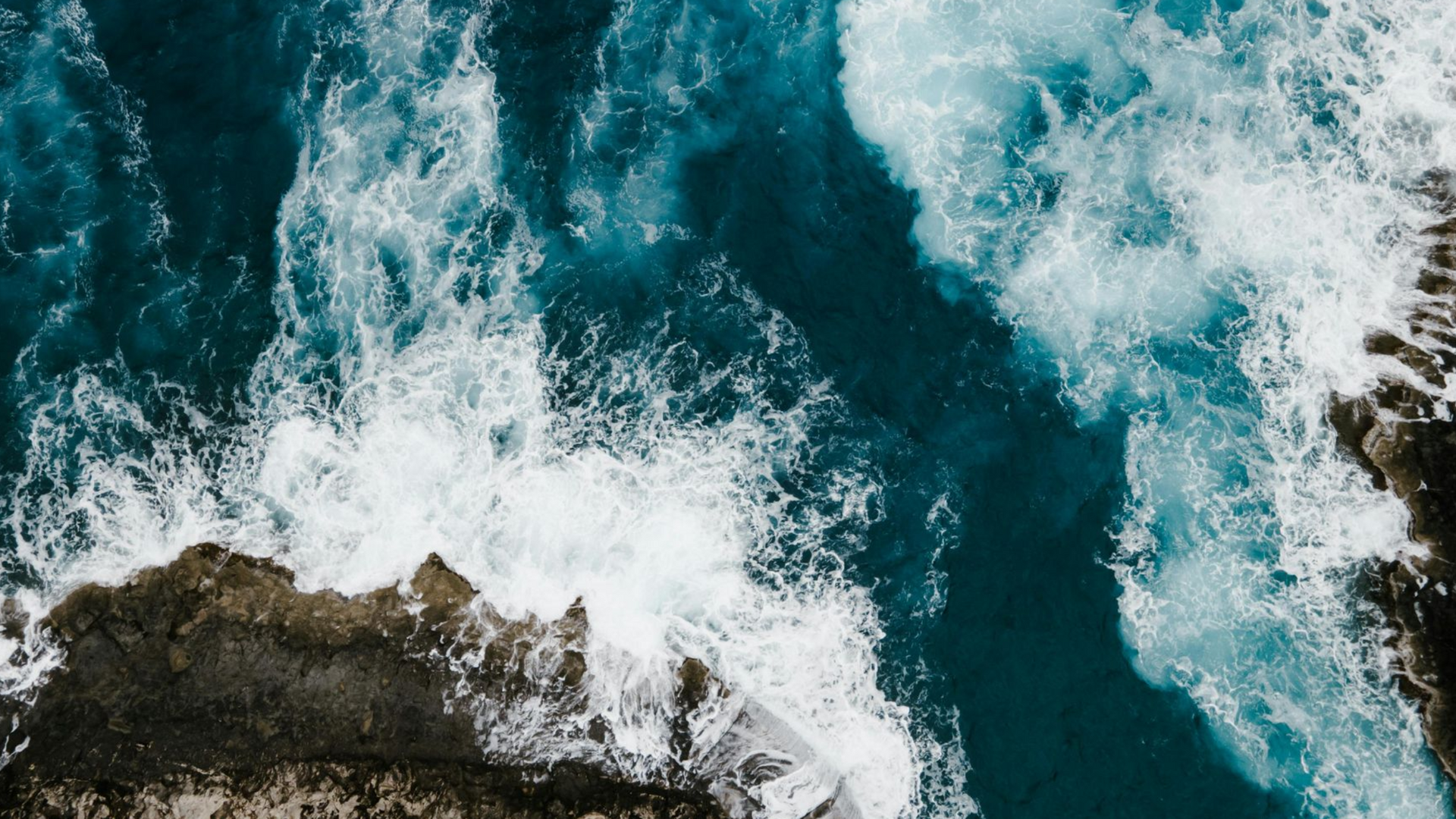
Malta is ringed with rocky coves, dramatic cliffs, and sparkling bays, and the sea is never more than a few minutes away. Swim in the crystal-clear waters of the Blue Lagoon off Comino, a surreal, aquamarine inlet that looks almost too perfect to be real. Or dive into history—literally—by exploring shipwrecks and underwater caves that lure divers from around the world.
If snorkeling and sunbathing are more your speed, head to Għajn Tuffieħa, a golden-hued beach hugged by clay cliffs. For dramatic views, drive (or hike) up to Dingli Cliffs at sunset. The landscape plunges into the sea below, and if the air is clear, you might glimpse Tunisia in the distance.
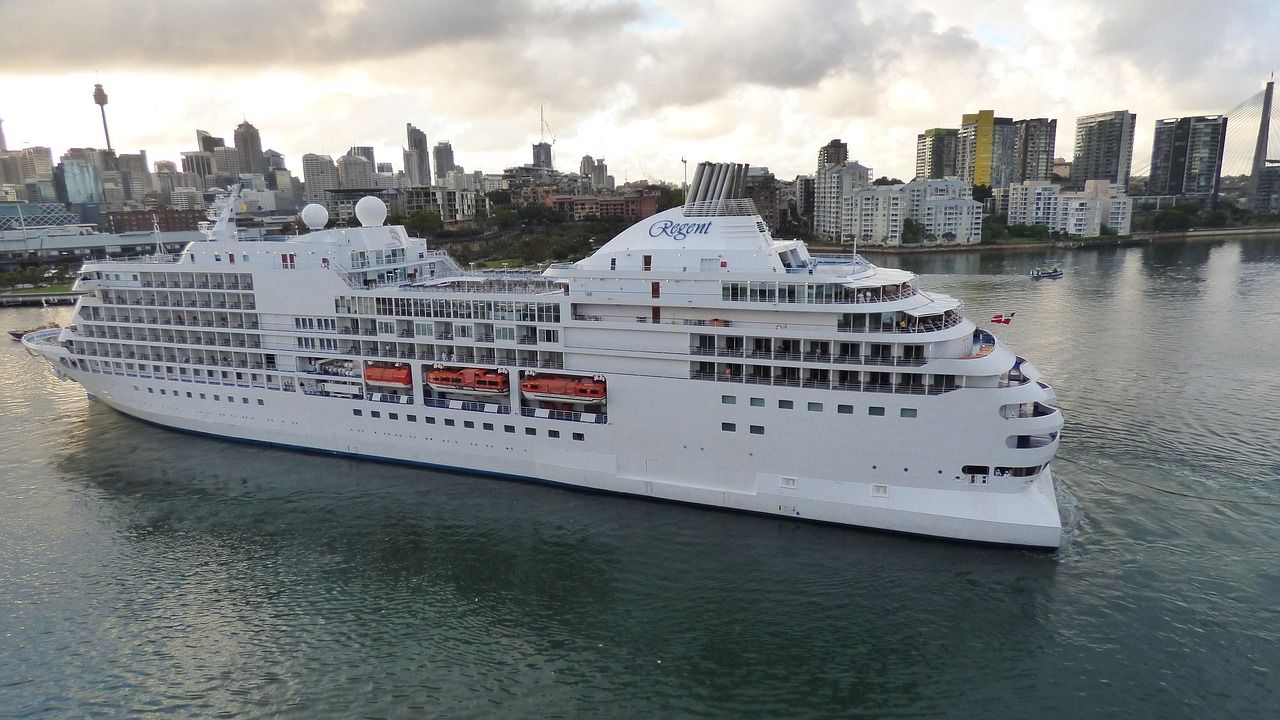
Malta is also a premier upscale destination for brands such as Silver Seas and Viking Cruise Lines.
Gozo: Rustic and Romantic
Malta gets the headlines, but Gozo is its sleepier, dreamier sister island. Just a 25-minute ferry ride away, Gozo feels like stepping back in time—stone farmhouses, rolling hills, sleepy villages, and a gentler pace.
Locals say Gozo is where you go to “breathe,” and it’s easy to see why. Walk the old streets of Victoria, sip espresso in the shadow of the Citadel, or explore the hauntingly beautiful remains of the Azure Window -- a natural arch that collapsed in 2017.
Gozo reminds you to take your time. The tiny island boasts Neolithic temples, salt pans, and some of Malta’s best scuba sites. It is also popular for unparalleled countryside hiking and rooftop terrace dining under a sky full of stars.
A Culture That Welcomes
What truly sets Malta apart, beyond the scenery and the stories, is the warmth of its people. Maltese hospitality is genuine, whether you’re being invited to a village festa or just getting directions from a chatty local at a bus stop. English is widely spoken, and there’s a laid-back confidence to Maltese culture—proud but unpretentious.
There’s a sense that everyone here is a bit of a storyteller. Strike up a conversation, and you’re likely to hear about a grandmother who fled bombs during WWII, a cousin who built a boat by hand, or a neighbor who makes the best fig jam on the island.
Malta isn’t a place you visit to tick off sights. It’s a place you soak in—sun on your face, sea breeze in your hair, pastizzi in hand. It’s history that hums rather than lectures, beauty that surprises rather than shouts, and a lifestyle that balances ancient tradition with modern flair.
Malta is unforgettable—in the best way. It welcomes visitors to wander through honey-colored alleyways, dive into the electric blue sea, or dance under fireworks at a village festival.
It’s not just a destination. It’s a feeling you carry home with you.